
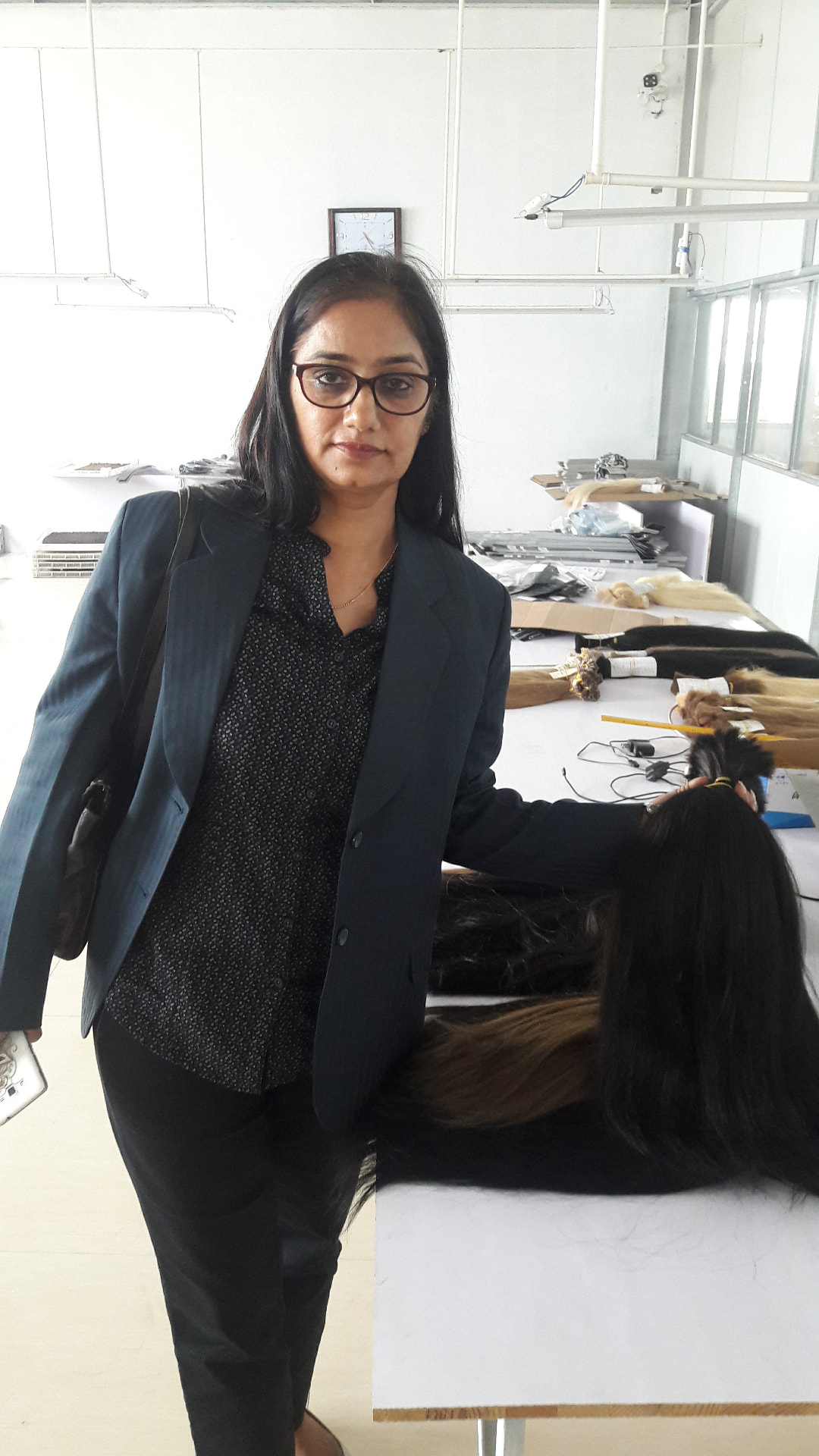
Advanced Bleaching Science
Colour developed slowly, not forced quickly.
Due to advanced bleaching science, the finished quality and look of the hair are excellent. Every lot is lifted slowly at low temperature, checked against a reference, and finished to a standard your clients can wear.
Why slow
Fast colour looks identical for about three weeks.
Aggressive lifting is the cheapest way to reach a pale shade, and it is invisible on the day the sample arrives. The cost appears later — dryness, tangling and breakage at the ends, in the client's chair, against the stylist's reputation.
Our approach is borrowed from how delicate natural fibres are coloured in textile work: low heat, staged development, rest between steps, and a check against reference before moving on. It is slower and it costs more to run. It is also the only version of this we are willing to put a reorder promise behind.
- ✓Staged lifting instead of one aggressive process
- ✓Rest time between steps, deliberately built into the schedule
- ✓Wet and dry colour comparison against an approved swatch
- ✓Lots that cannot carry a shade are redirected, not forced

The method, stage by stage
Eight controlled stages, each with a recorded outcome.
None of these stages are unusual on their own. Holding all eight when a deadline is tight is the part most suppliers quietly skip.
Assess the raw material
Before any chemistry, the lot is judged on its own terms: origin category, cuticle condition, diameter, length spread and how far it can realistically be lifted. Lots that cannot carry the target shade are used elsewhere rather than forced.
Sort and align
Short, damaged and reversed strands are removed by hand and every strand is turned root to root. Cuticle direction decides how hair behaves in month three, so this stage is never rushed to protect yield.
Wash and draw
Cleaned without acid stripping, then drawn to the agreed ratio so the body of the bundle carries through to the ends. Drawn ratio is stated per product family instead of implied by a photograph.
Develop colour slowly
Lifting and toning run low and slow, in stages, with rest between steps. The method is closer to how fine natural fibres are dyed in textile work than to a single fast salon-style process.
Match to reference
Colour is compared against the approved swatch under consistent light, wet and dry, before the lot moves forward. A near miss goes back rather than forward.
Construct to specification
Weft, tip or bulk format is built to the written specification for that order — construction, weight and length recorded as produced, not estimated afterwards.
Test before release
Batch checks on feel, strength, shed and colour behaviour. Where a batch falls short of the approved result, it is remade instead of shipped with an explanation.
Retain the reference
A control sample is kept for approved commercial batches, so the next order has something concrete to be measured against and a dispute has evidence rather than opinions.
Slow Bleaching · Italian Science
From the first colour bath to the finished product — in order.
Our colour work uses advanced bleaching science: low temperature, staged baths, rest between steps, and a shade checked against reference before the lot moves forward. Because of this controlled process, the finished product quality is excellent. These films are arranged in the order they happen on our factory — from intake to finished format and the market. Nothing staged, nothing borrowed.
The factory, start to finish
One accountable chain from raw intake through colour, construction and the packed order.
Slow depigmentation science
Why black hair has to be lifted patiently — the science behind the staged bleaching route.
Slow bleaching, first bath
Lifting begins low and slow — never forced to target in a single aggressive pass.
Rest between stages
Rinse, rest and reassessment. The pauses are part of the method, not lost time.
Tone development
Shade is built in stages and read against the approved reference before the lot moves on.
Drying and setting
European-spec dryer ovens set the final fibre condition without flash-heating the cuticle.
Final quality checks
Feel, strength and colour behaviour checked on the batch before anything is released.
Finished products
Wefts, tips and finished formats — the result of the whole route, ready for dispatch.
In the market
How the same hair is hand-selected and presented in Russian hair stores — nothing rebadged, nothing borrowed.
Where the hair goes next
From our dispatch bench to the stylist's chair — and the shop shelf.
The method does not end when a lot passes final checks. The same hair leaves us as bulk and finished formats, is worked by stylists in the salon, and is stocked by our trade partners under their own private labels. Here is that journey.
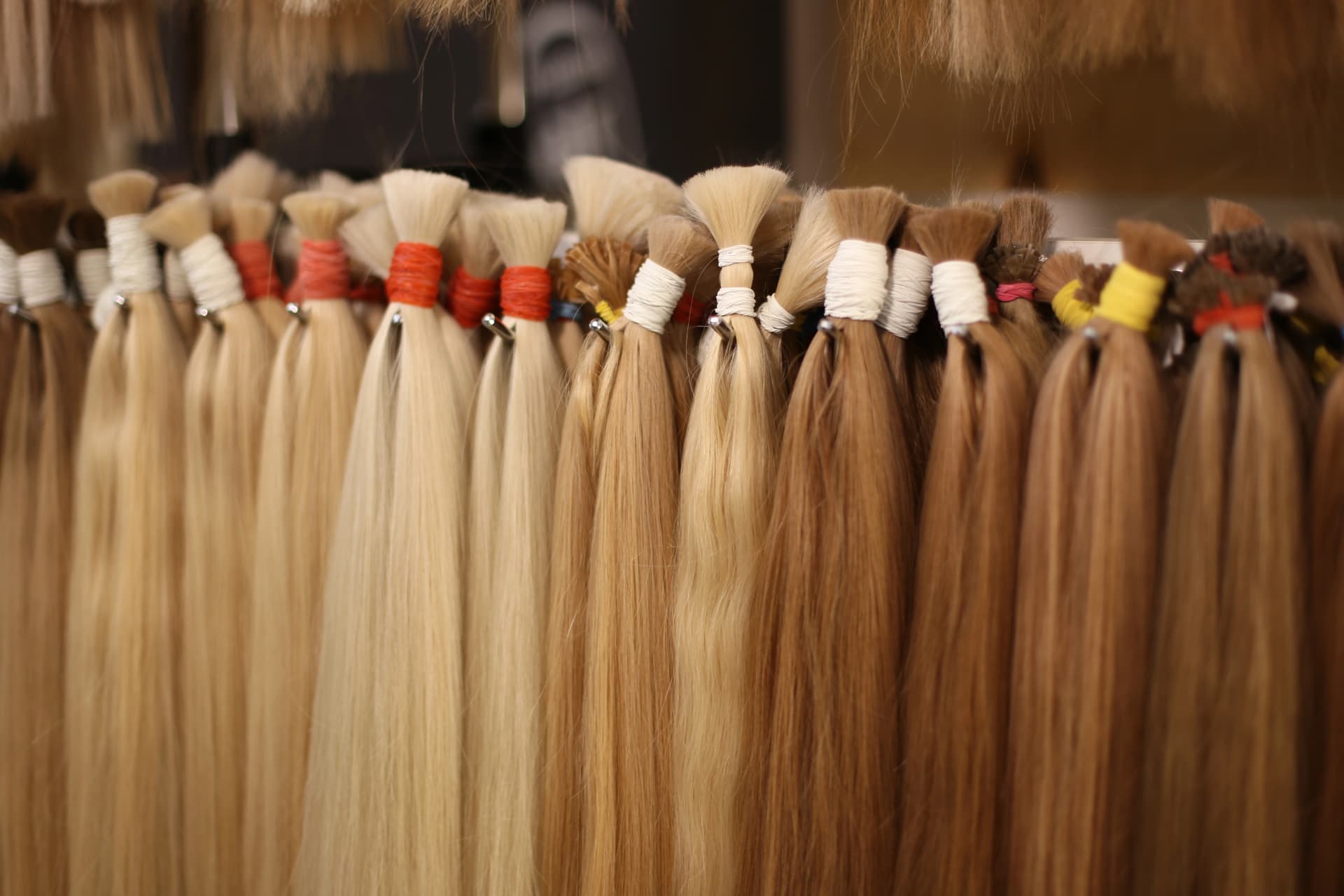
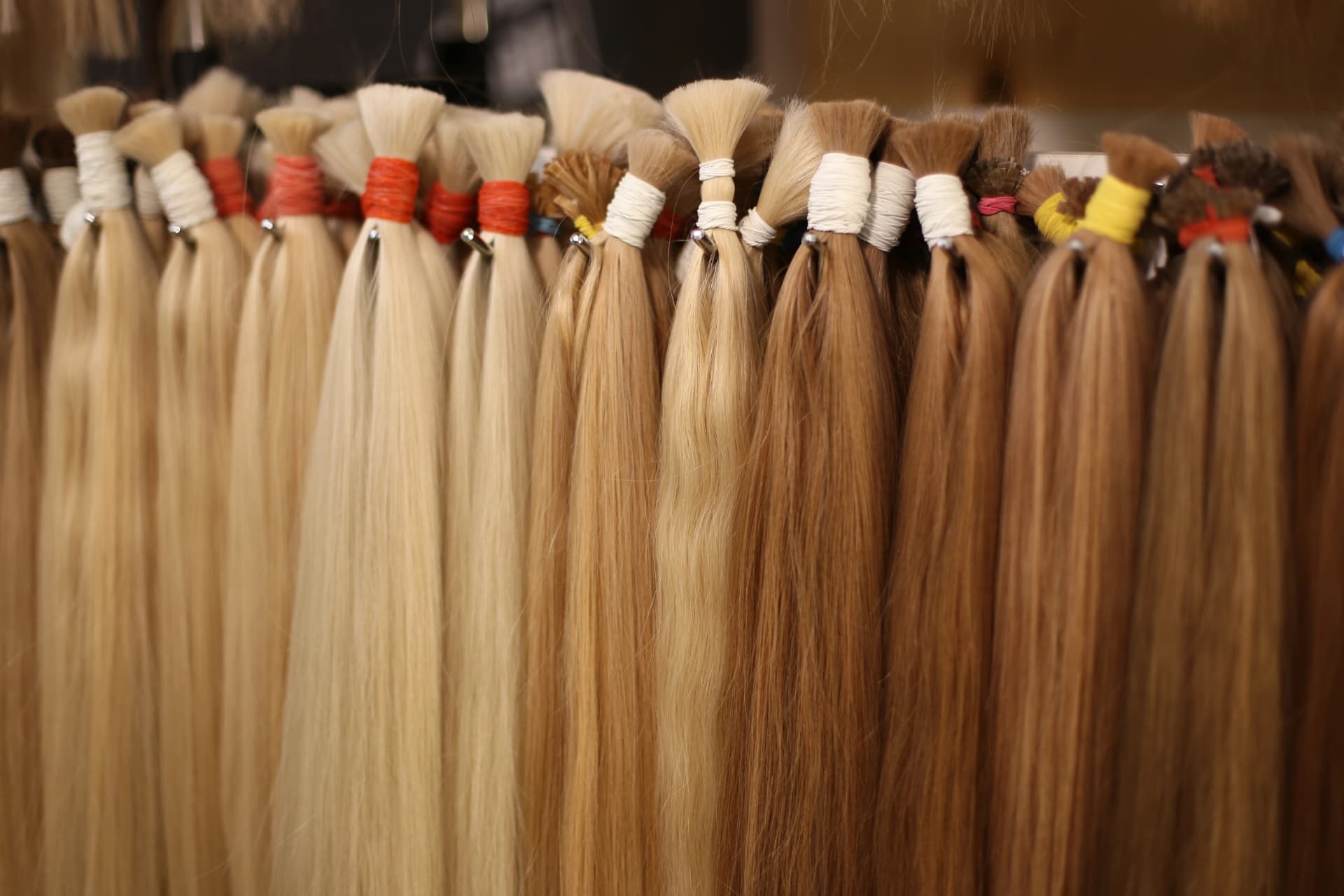
It leaves us as bulk and finished formats.
Lots are tied, graded by shade and length, and weighed to the order. Wholesale buyers take bulk bundles for their own conversion work; salons take finished wefts, tips and tapes ready for the chair. Every bundle carries the same specification it was checked against.
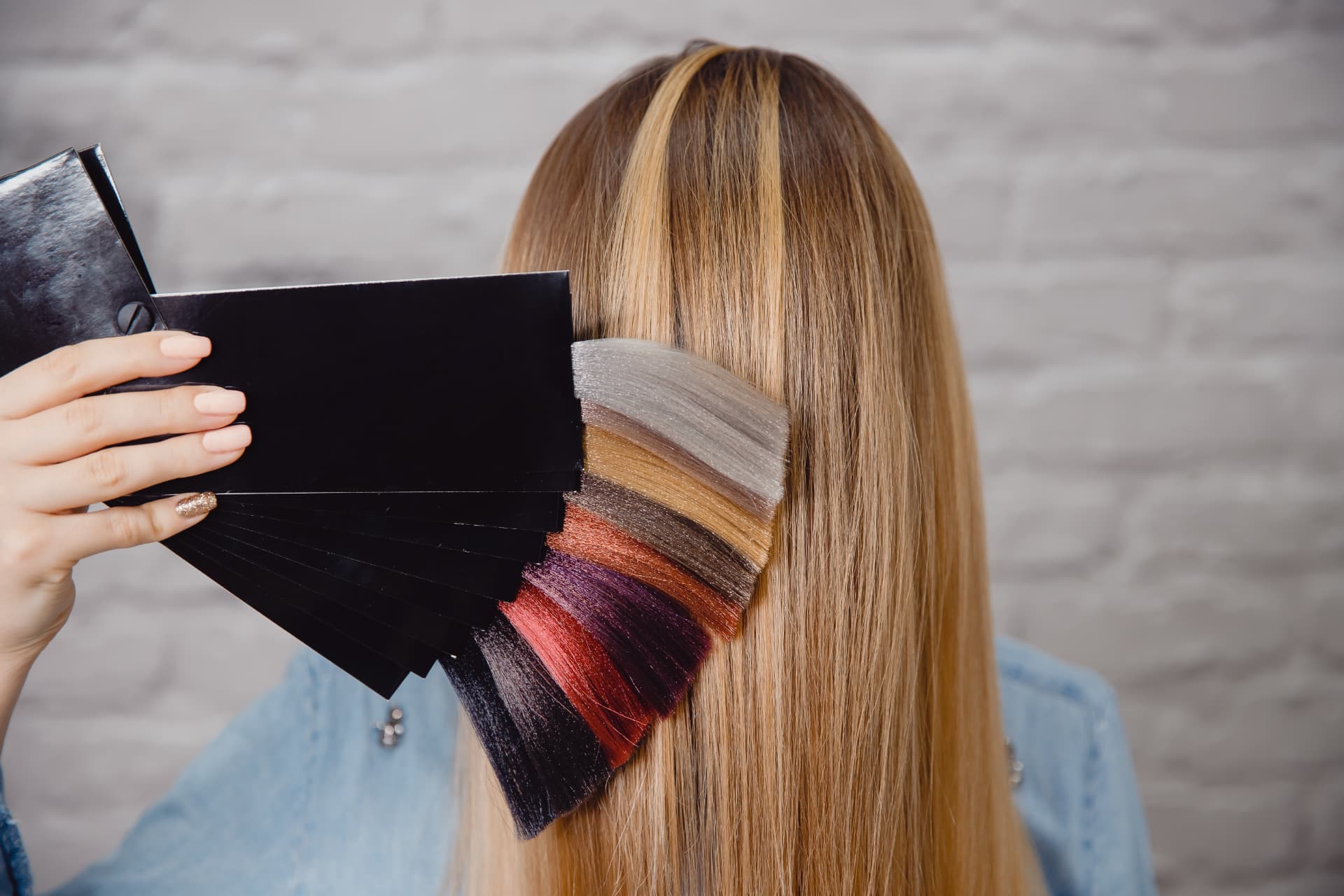
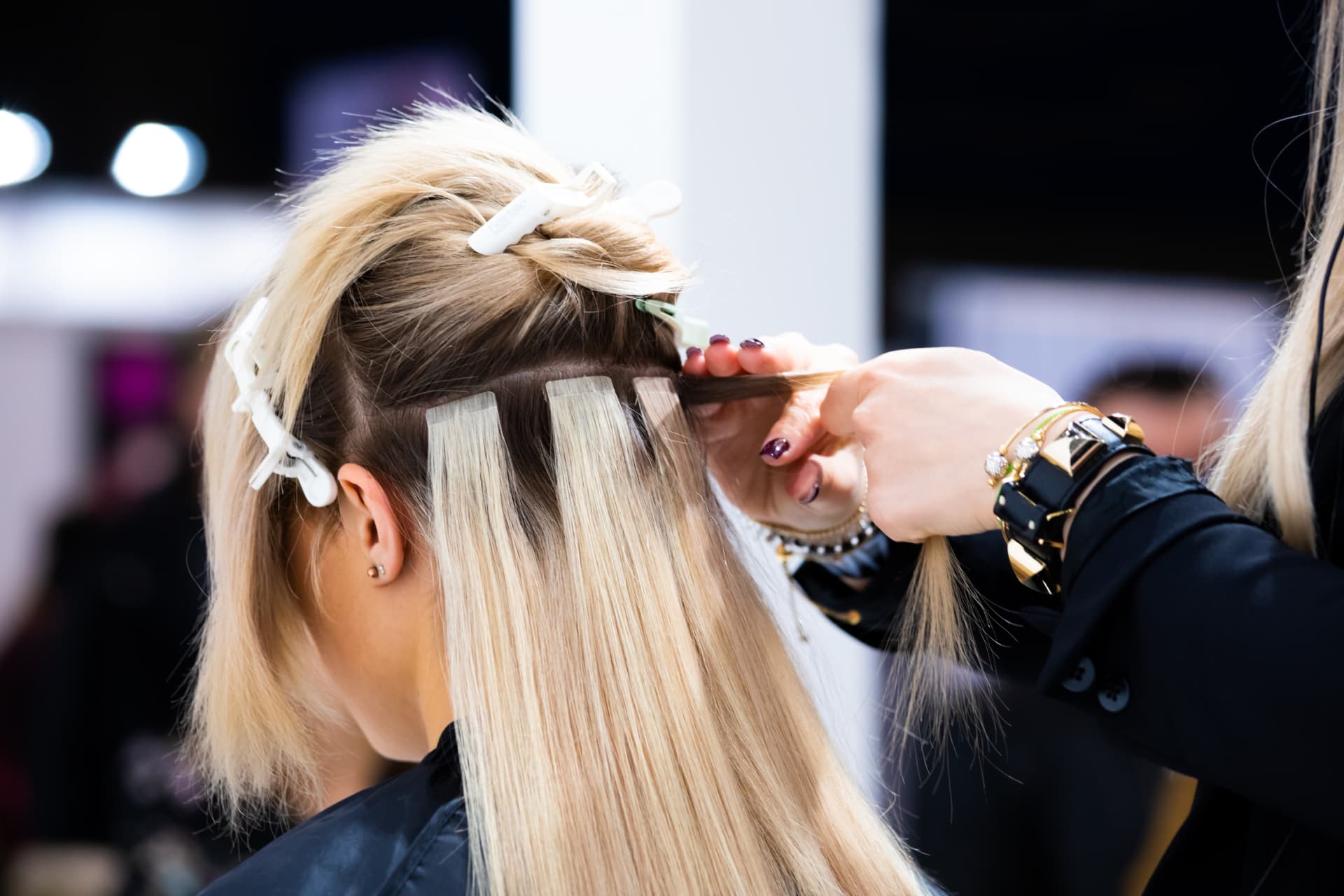
The salon puts its name on it.
It starts at the colour ring — the shade a stylist holds against the client's hair has to be the shade on the weft. Then the work: fitting, cutting, washing, heat-styling, sometimes daily. This is where slow colour development earns its cost — the fibre keeps its feel and the shade holds, so the stylist's work still looks right weeks after the appointment.
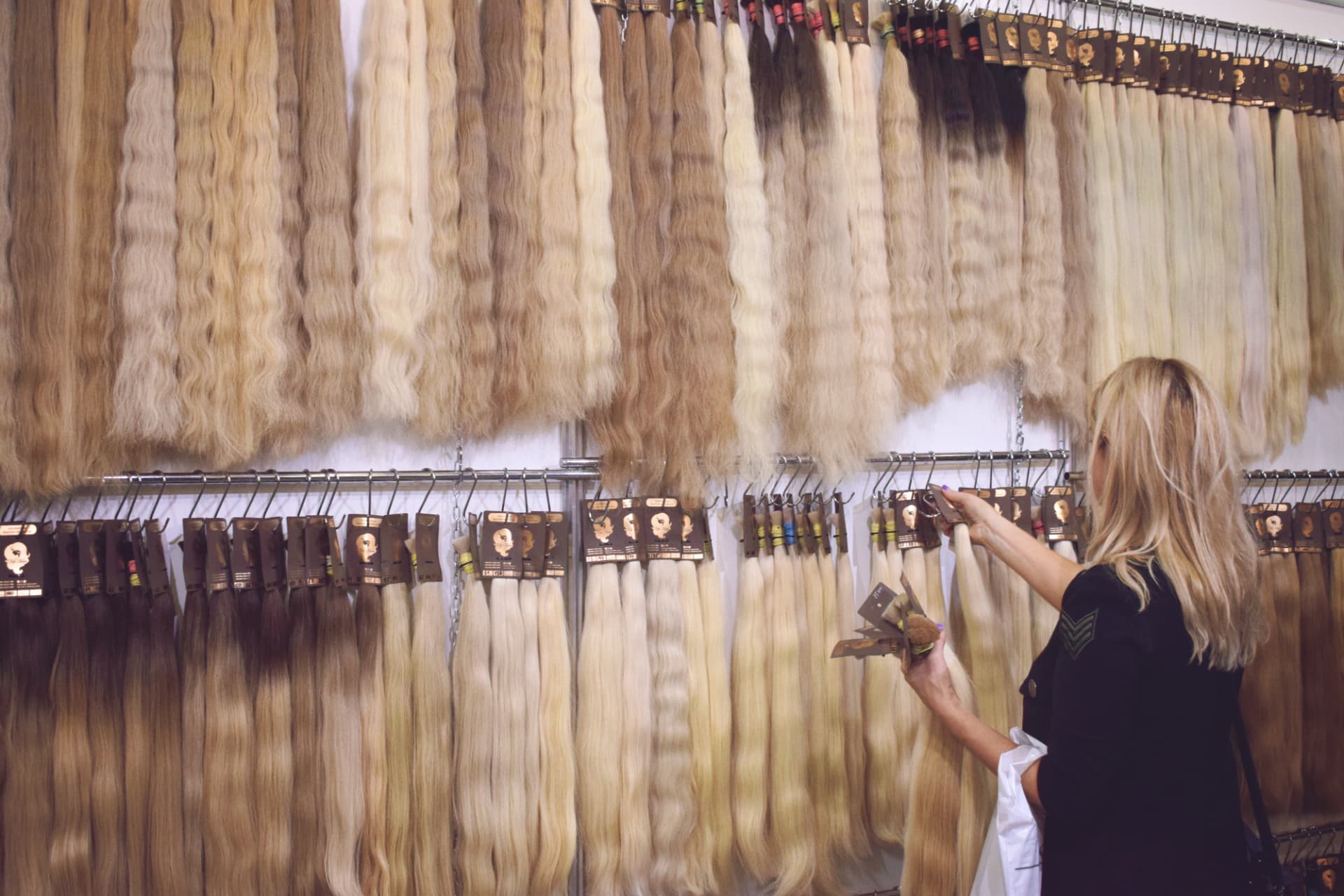
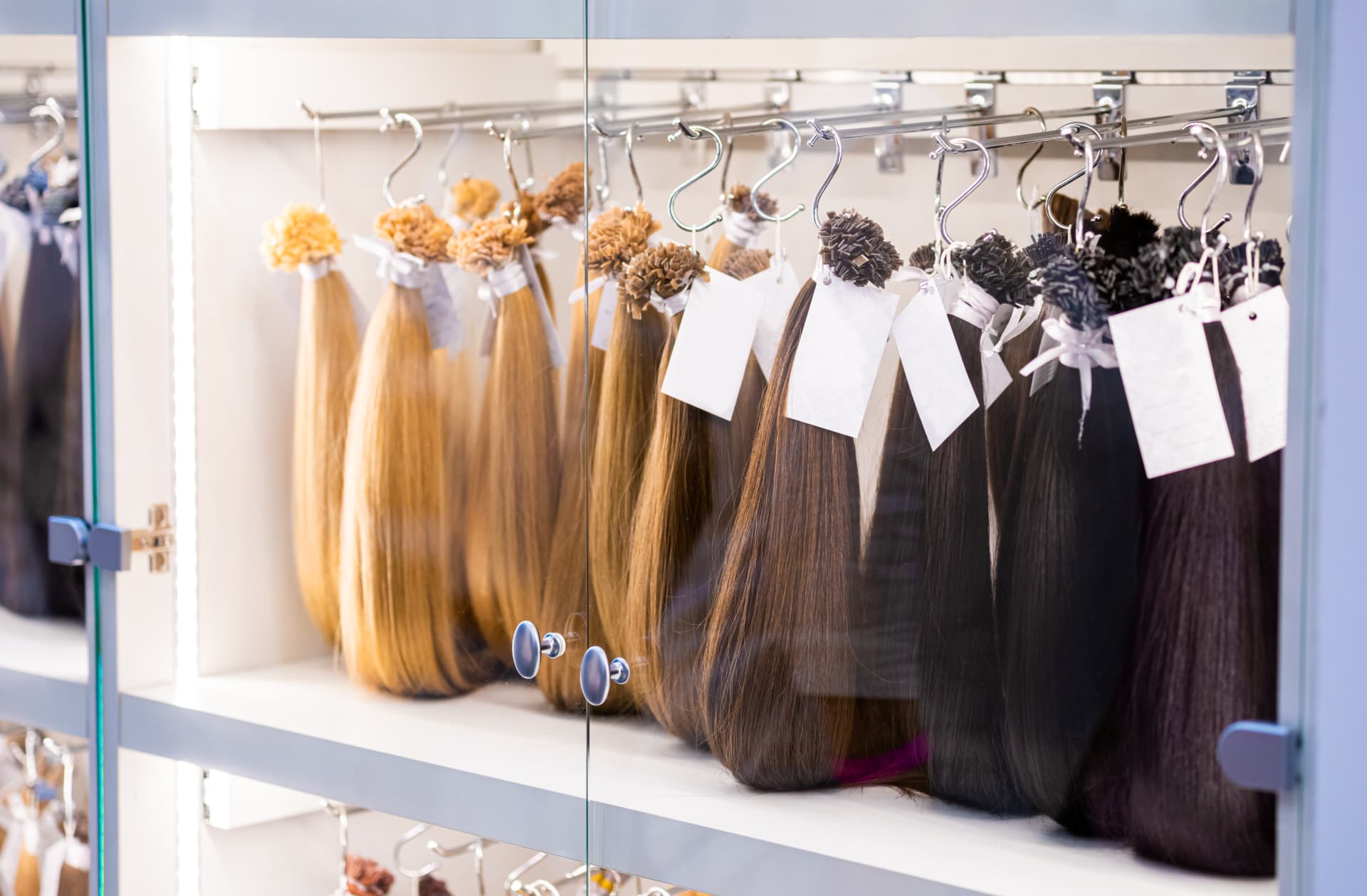
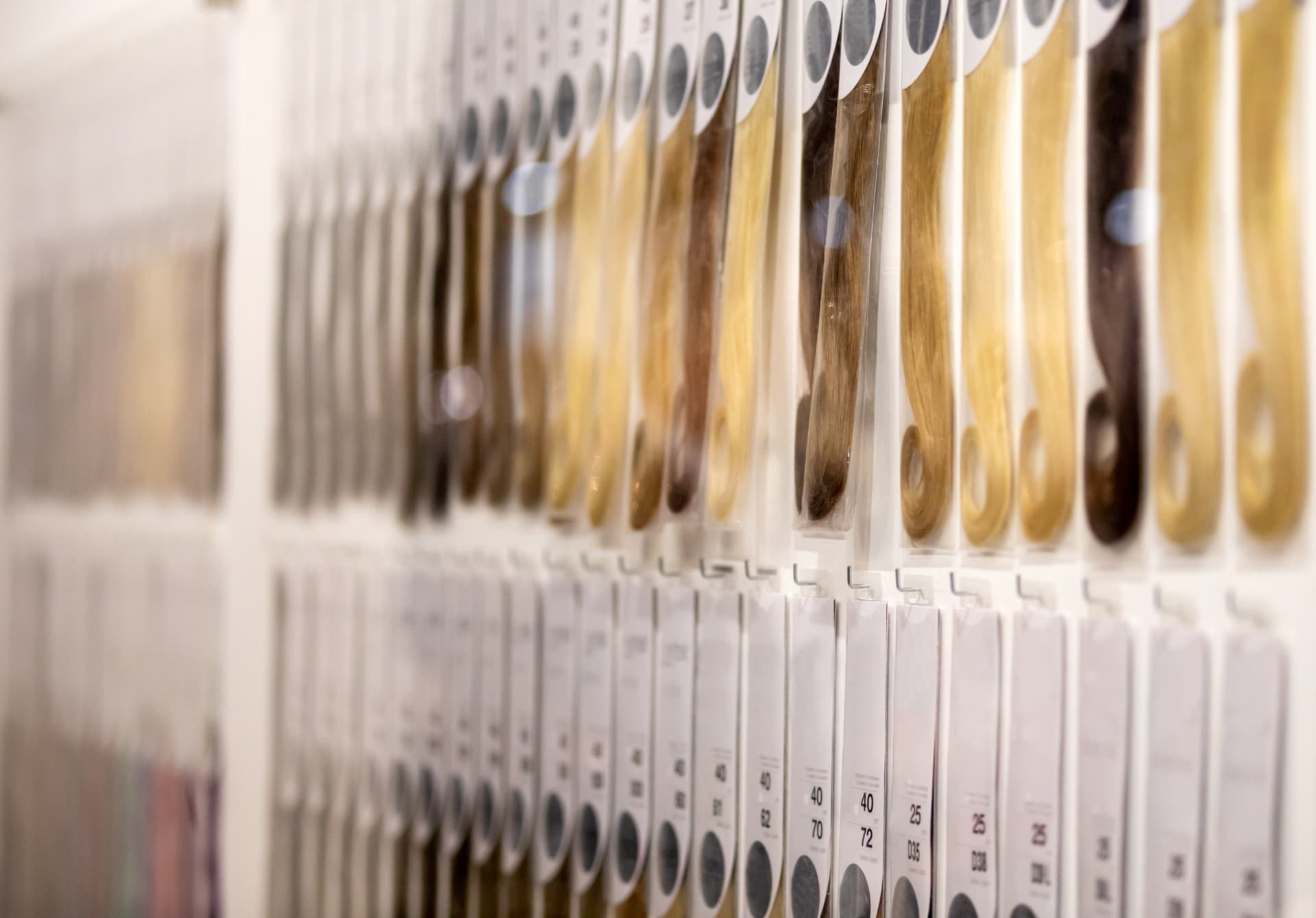
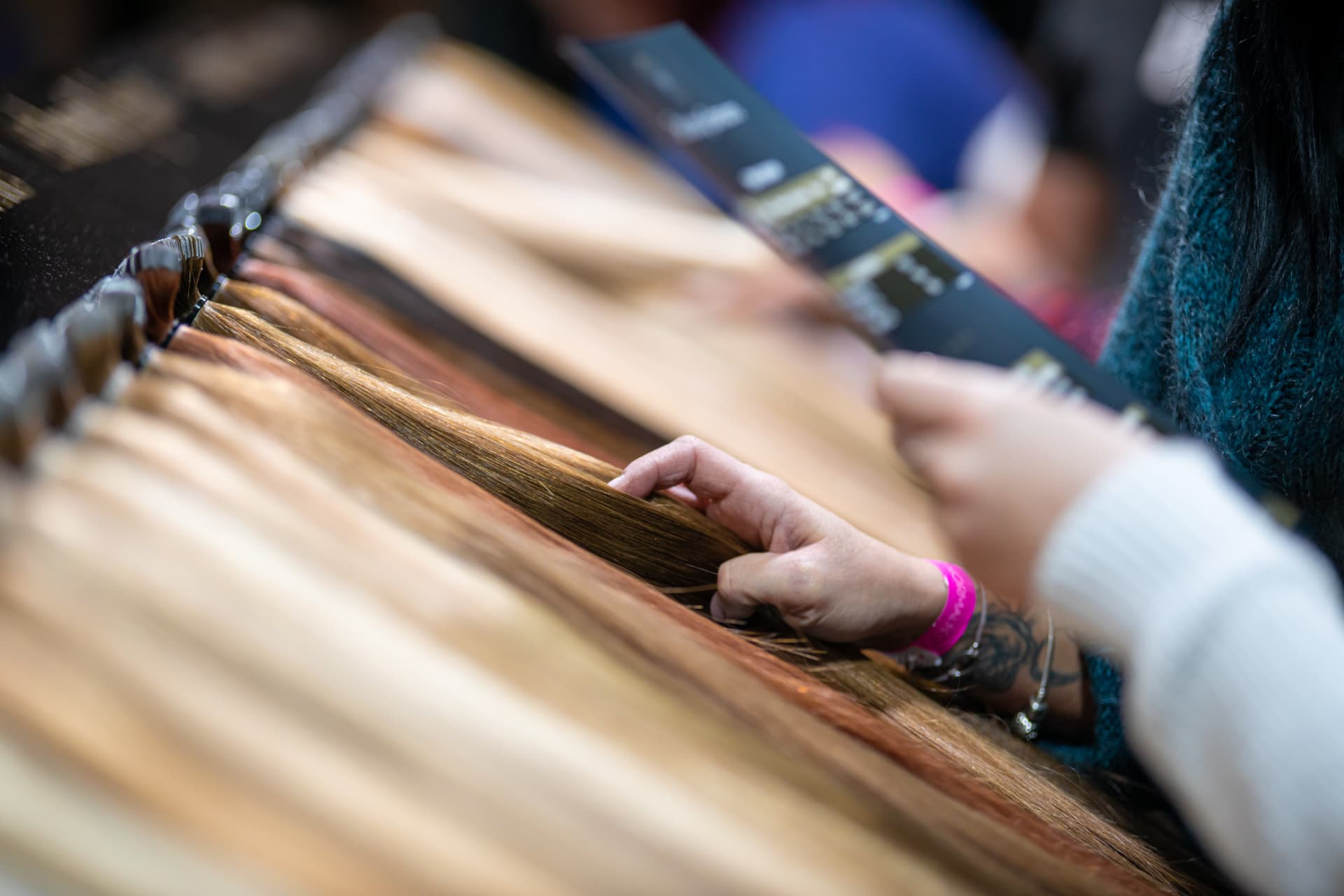
Stockist stores carry it — often under their own label.
For private-label partners from 10kg, the same hair is packed to their branding and stocked on their shelves — colour walls, cabinets, row after row of sealed packs. Their customers never see our name. They pick a bundle off the wall, feel it in the hand, and decide in a minute. That is exactly how we want our hair judged.
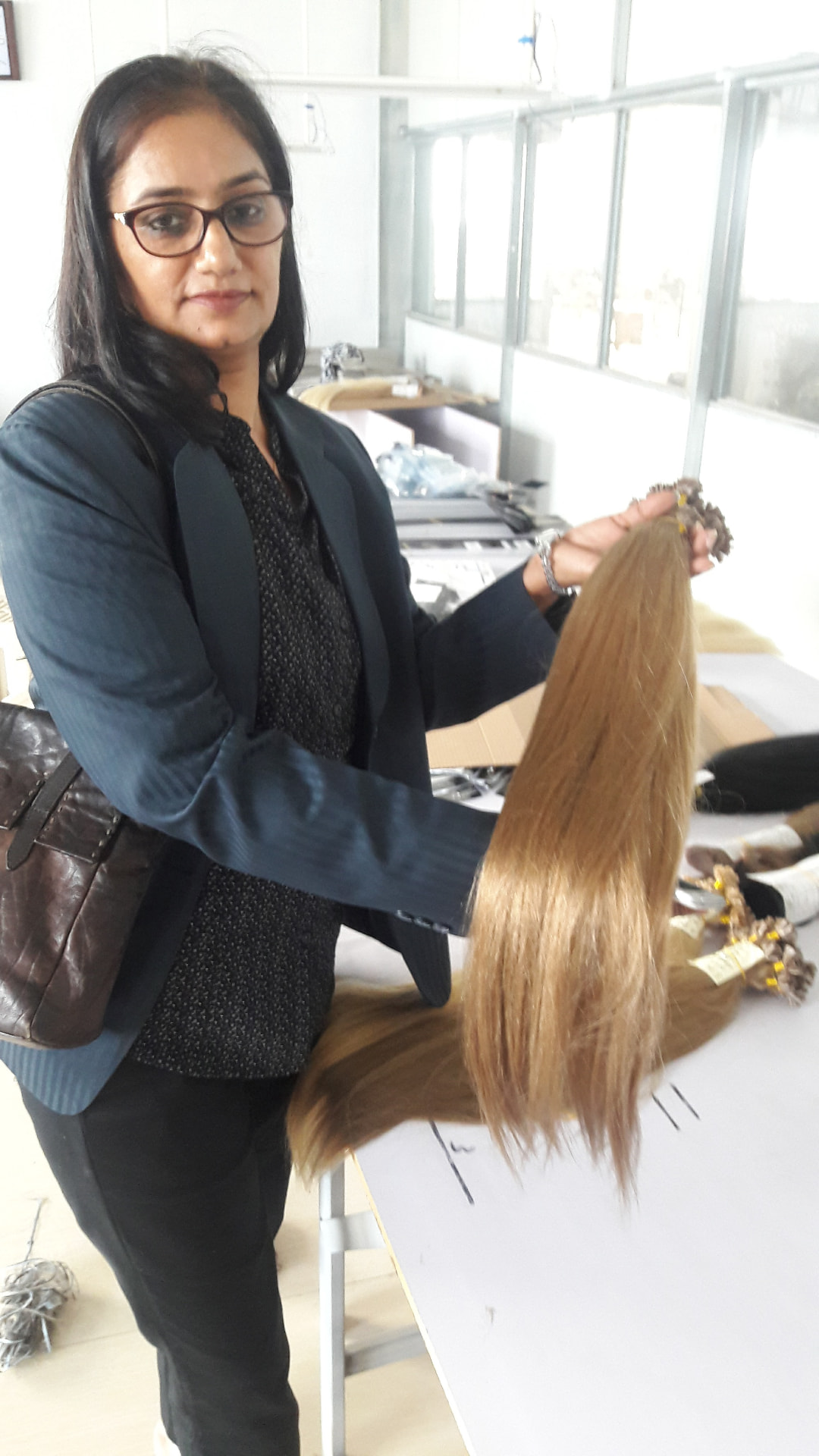
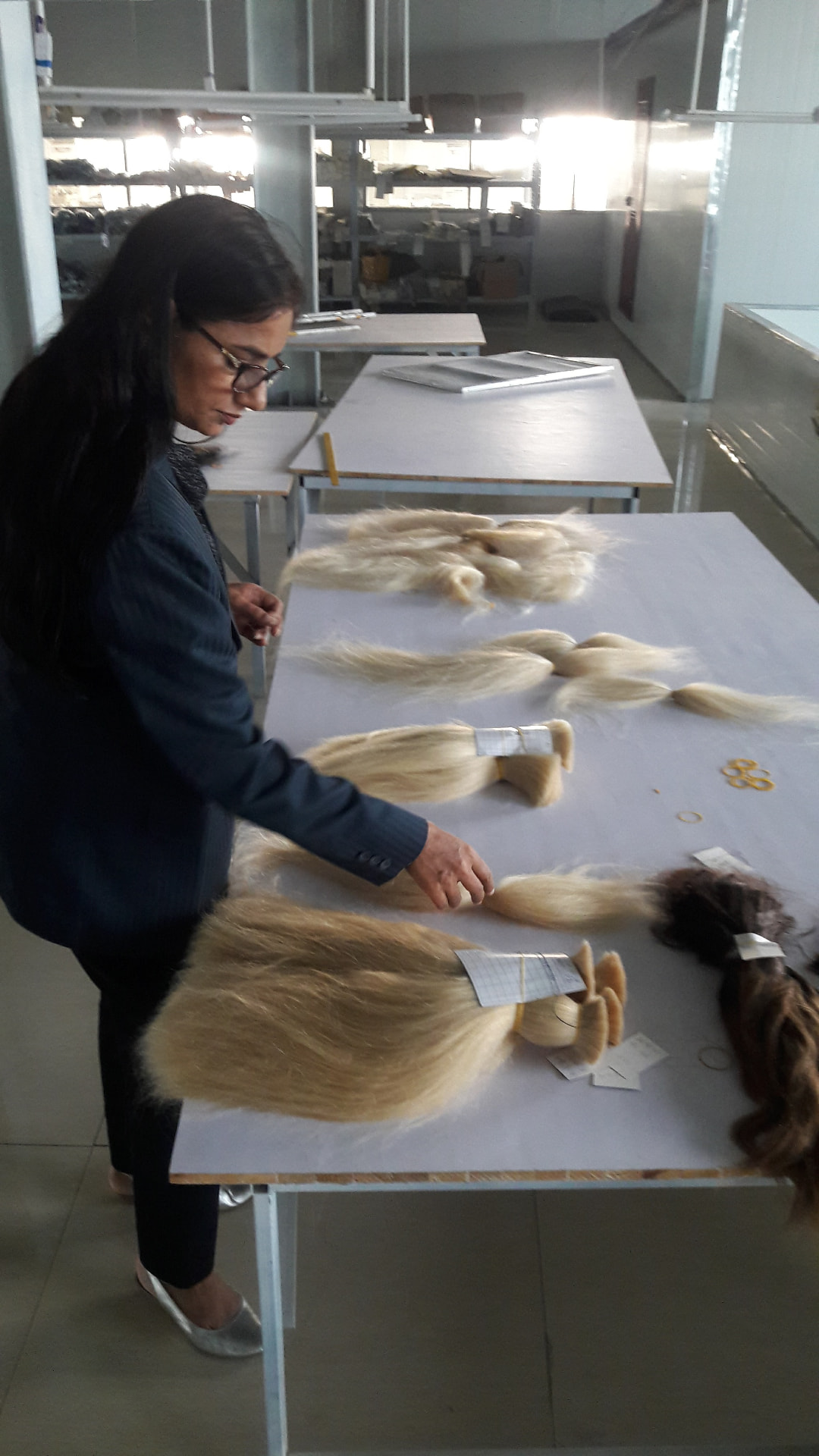
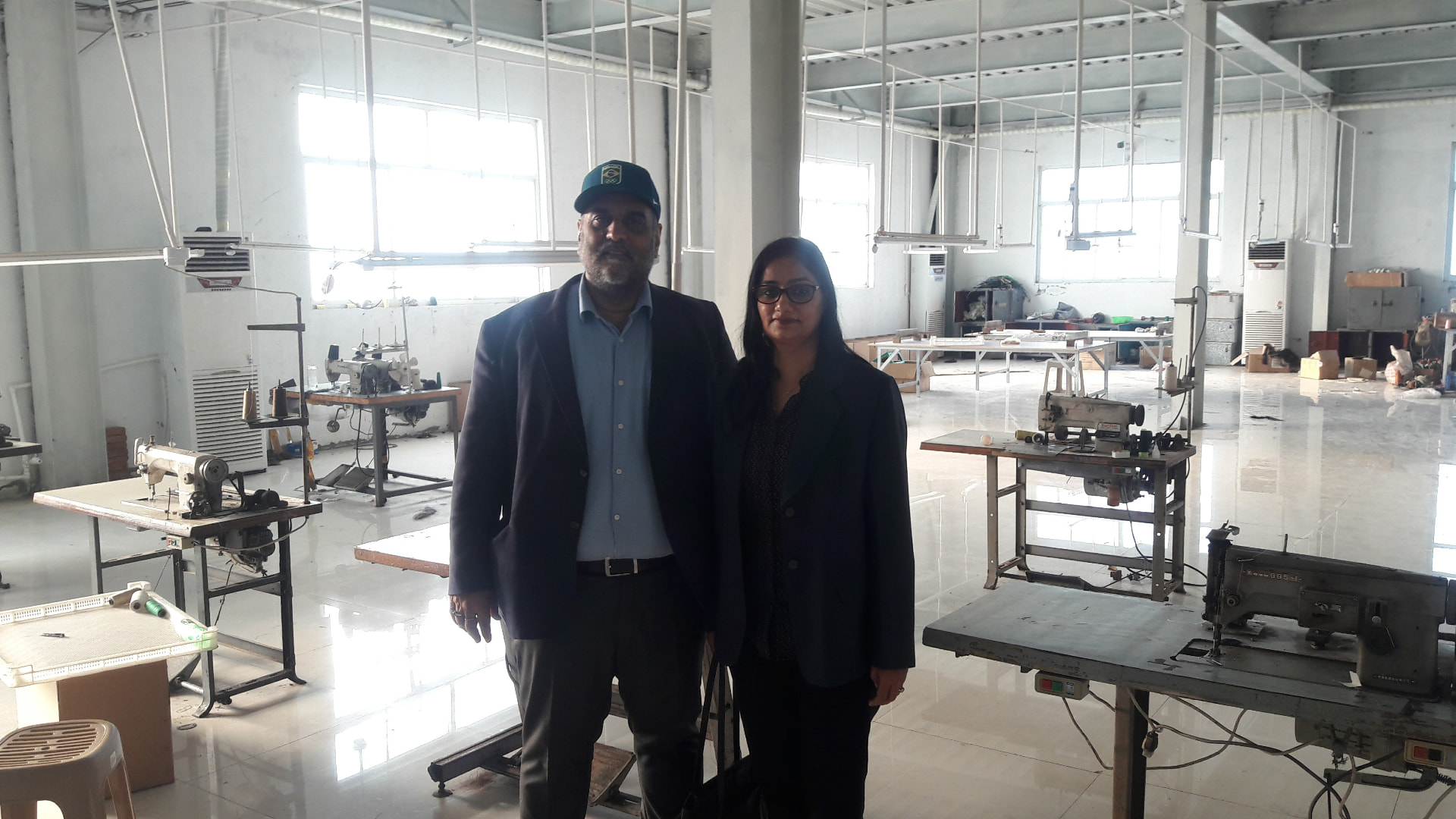
On the factory
Where the method actually happens.
What actually moves the result
Four variables decide the outcome — and the price.
- Origin category
- Recorded at intake and stated on the specification — never assigned later to suit a sale.
- Draw grade
- How far the bundle is drawn decides end fullness. Stated per product family and checked against the retained reference.
- Lift level
- Higher lift means slower development and more rest time. Pale shades legitimately cost more and take longer.
- Construction
- Weft, bond or bulk changes both handling and price. The construction is fixed in writing before production.
Applied to each construction
Same method, three finished formats.
The colour and preparation route is shared. What changes is how the hair is built at the end, and which control points decide whether the batch passes.
Genius Weft
An ultra-thin sealed weft that lies flat to the scalp and can be cut along its length without unravelling. The control points are seal integrity and return thickness.
- Format
- Machine-sealed weft
- Lengths
- 14"–24"
- Trial
- 1kg total, from 300g per shade
- Lead time
- On quotation
K-Tip
Pre-tipped keratin bonds in flat or square form. The control points are bond weight consistency and clean release on removal.
- Format
- Keratin bond
- Lengths
- 14"–24"
- Trial
- 1kg total, from 300g per shade
- Lead time
- On quotation
Hand-Tied Weft
Fully hand-tied rows with no return hair, built for beaded-row installation. The control points are knot tension and row weight across the batch.
- Format
- Hand-tied row
- Lengths
- 14"–22"
- Trial
- 1kg total, from 300g per shade
- Lead time
- On quotation
Do not take our word for it
Test the method before you commit.
A method is only worth what it survives. Take a professional trial of 300g per shade and length across two colours, run the buyer tests on it, and move to a 3–10kg wholesale order only if it holds.
Questions buyers ask about the method
Answered plainly.
What is the RemyPatra SlowBath colour method?
A slow, low-temperature approach to lifting and toning hair, adapted from the way delicate natural fibres are coloured in textile work. Colour is developed in stages and checked against an approved reference rather than forced to target in one aggressive process.
Why does slow colour development matter to a salon?
Aggressive lifting weakens the fibre before the client ever sits in the chair. The damage usually appears weeks later as tangling, dryness and breakage at the ends. Slower development costs us more time, and it is the main reason our developed shades hold up through repeated washing and heat styling.
Do you publish process parameters?
We record the parameters for each product family and colour route, and we share the relevant ones with trade buyers on request. Where a figure varies by lot or origin, we say so instead of quoting a single number that would not hold.
Can the same result be produced again on a reorder?
That is the purpose of the method. The approved specification and a retained reference sample are what a reorder is measured against, so the outcome is reproducible by a different operator on a different day.
Can I test the method before ordering commercially?
Yes. Take 1kg total, from 300g per shade as a professional trial, run your own wash, heat and install tests, and only then move to a 3–10kg wholesale order.